
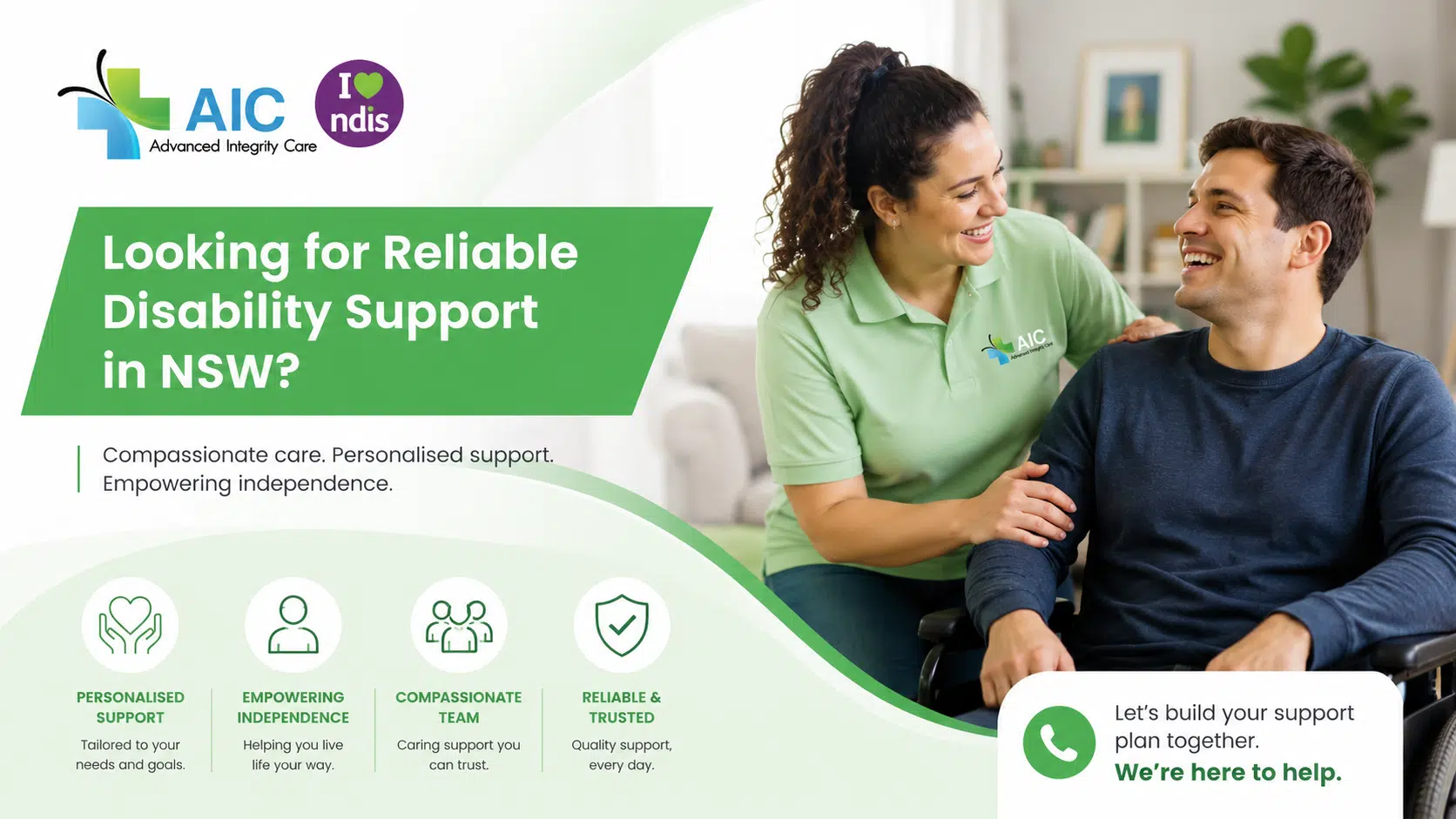
Disabled care alone in NSW should not seem like another barrier to be passed. But for many participants and families this task is painfully hard, as it involves comparing providers against the backdrop of service agreements and credibility by the provider that a support team will actually honour their choices.
Trustworthy support isn’t just being there on time or checking your list of things to do for the day. It includes listening and establishing solid relationships, and supporting each person to live their life with greater assurance. Above all else, the right provider tailored its services around the person and not vice versa—no shoehorning a resident into a predetermined care schedule.
Our understanding of Advanced Integrity Care – NSW Personalised NDIS Support offers different objectives, competencies, cultural preferences and assistance needs for each individual. Hence, we move toward practical assistance, thoughtful communication, and normalized care through everyday life.
What Does Reliable Disability Support Really Mean?
Dependable help means having someone available to step in and lend a hand as needed – from those who know how you work, your tastes, or your role with others. While credentials and experience are necessary, reliability is also about communication, consistency, and mutual respect.
A dependable provider should:
- Arrive at the agreed time
- Explain services and charges clearly
- Respect your privacy, dignity and independence
- Involve you in decisions about your support
- Respond properly to concerns or feedback
- Match workers according to your needs where possible
- Review services when your circumstances change
Quality Services must be Safe, Dignified and Respectful for people with disability. Providers also need to comply with applicable NDIS requirements and the NDIS Code of Conduct. When required, participants can also make a general or formal complaint with their provider on the NDIS Quality and Safeguards Commission. Get details on Nursing Services in NSW.
Disability Support Services Available in NSW
The kind of help needed varies from participant to another. For instance, somebody may need assistance with cooking meals, and the other could require some short-term relief of attending appointments or developing social confidence or joining in local activities.
Common NDIS disability support services may include:
| Support service | Typical assistance | Possible participant benefit |
| Personal care | Showering, dressing, grooming and mobility assistance | Greater comfort and dignity |
| Household support | Cleaning, laundry and basic meal preparation | A safer and more manageable home |
| Community access | Shopping, appointments, events and recreational activities | Improved community connection |
| Life-skills development | Cooking, budgeting, planning and travel training | Increased everyday independence |
| Social participation | Group activities, hobbies and community programs | Reduced isolation and stronger relationships |
| Respite support | Short-term care at home or in another suitable setting | Rest and flexibility for families and carers |
| Supported independent living | Regular assistance within a shared or individual living arrangement | More control over daily routines |
| Transport assistance | Support travelling to appointments, work or activities | Better access to essential services |
Not all service is right for all people. Participants need to select supports that are directly relevant to their goals, funded categories and personal situation.
Why Consistency Matters in Disability Care
The constant turnover in workers leaves support feeling a little insecure. Participants might be forced to repeat their personal information, along with the routines and communications preferences all over again when each new individual is incorporated. As a result, it may take some time for trust to gain ground.
As much as possible, a good disability care provider in NSW should provide a consistent team. You are familiar with the workers who notice slight changes in mood, mobility, health or behaviour. As a result, they are able to speak up on issues sooner and adapt daily support more easily.
Consistency allows participants to feel more comfortable stating their preferences. A participant may desire breakfast for a specific window of time or request quiet communications in the morning or follow a specific cultural practice. It may seem little – these details, but they make the support more personalized and respectful. Looking for a Independent Living?
How to Choose a Disability Support Provider
Schedule a conversation on what your goals are, routines and standard of expectations, before settling on the provider. You can refuse the first service that is offered. In short, the majority of NDIS participants have control over who delivers their support based on their plan-management arrangements and the type of support.
Consider asking the following questions:
- What disability services do you provide in my local area?
- How do you select and screen support workers?
- Can I meet a worker before regular services begin?
- What happens when my usual worker is unavailable?
- How do you manage emergencies or last-minute changes?
- Will I receive a written service agreement?
- How are cancellations and travel charges handled?
- How can I provide feedback or make a complaint?
- Can the service change as my needs develop?
- How will you protect my privacy and personal information?
Clear answers often reveal whether a provider communicates openly or avoids important details.
Registered and Unregistered NDIS Providers
Participants should understand whether they need to use an NDIS-registered provider. According to the NDIA, participants with NDIA-managed supports must use registered providers. Registered providers are also required for certain regulated supports, including specialist disability accommodation and behaviour-support services.
However, participants who self-manage or use a registered plan manager may be able to choose registered or unregistered providers for some other supports. Because plan arrangements differ, it remains important to check what applies to your individual funding.
Registration alone should not be the only factor you consider. You should also look at worker experience, communication, availability, local knowledge and how well the provider understands your goals. Get details on NDIS Provider in Rutherford.
Red Flags to Watch For
Unfortunately, not every provider delivers the same standard of care. Be cautious when a provider pressures you to sign documents quickly or refuses to explain its fees.
Other warning signs include:
- Workers regularly arriving late without notice
- Support activities changing without your agreement
- Poor communication with participants or authorised family members
- Charges that do not match the service delivered
- Frequent unexplained worker changes
- Staff speaking over you rather than with you
- Complaints being ignored or discouraged
- Pressure to share more plan information than necessary
Participants control who may access their NDIS plan information. A provider should explain why information is needed and obtain appropriate consent before accessing or sharing personal details.
Realted Services:
Person-Centred Support Builds Independence
Good support should not take control away from a participant. Instead, it should help the person make decisions, practise skills and complete tasks with the appropriate level of assistance.
For example, a support worker might cook an entire meal for someone. However, when suitable, a more empowering approach may involve helping the participant select ingredients, follow simple steps and prepare part of the meal themselves.
Likewise, community participation support should reflect genuine interests. A participant may prefer attending a library group, visiting a local market, joining an art class or learning to use public transport. Therefore, community access should never become a standard outing that ignores personal choice.
Local Knowledge Makes a Difference
NSW includes busy metropolitan areas, regional communities and locations where transport options remain limited. Consequently, a provider’s local knowledge can affect the quality and reliability of support.
A team familiar with the area may understand:
- Accessible community venues
- Local health and allied-health services
- Public and community transport options
- Recreation programs and social groups
- Shopping centres with accessible facilities
- Travel times between regional communities
NSW Government services also provide information covering disability assistance, housing, transport, education, employment, sport and recreation. These mainstream and community services may work alongside NDIS-funded supports, depending on the participant’s needs.
Related Articles:
» Disability Support Services in Australia: Types, Benefits & Eligibility
» Safe Medication Management for Seniors and People with Disability
» How Community Participation Improves Wellbeing for People with Disability
» Understanding Disability Services in NSW: Practical Guide for Families
» How to Choose the Right Disability Support Provider in NSW
Why Families Also Value Clear Communication
Family and caregivers often form an integral part of a participant’s support structure. Still, it should always come back to the story of the participant.
Providers may update family members authorised by the participant, informed about rosters or appointments or anything else relating to change (with the consent of the user). Communicating clearly cuts down on confusion and makes sure everybody knows what they are responsible for doing. At the same time, privacy must be maintained, and private information must not be disclosed unless permission has been given.
Choose Support That Feels Right for You
Disability support services in NSW should help with daily life without removing choice or independence. Trusted team members listen closely and set limits, adjusting support as the situation unfolds.
Advanced Integrity Care – NSW provides personalized care tailored to your individual schedule, needs and aspirations. First things first — we need to have an honest conversation about what is important to you, whether that involves support services at home, in the community or in gaining feedback about how to live day-to-day:
It should feel respectful, steady and reassuring. Most importantly, it should allow you to live your own life.

