
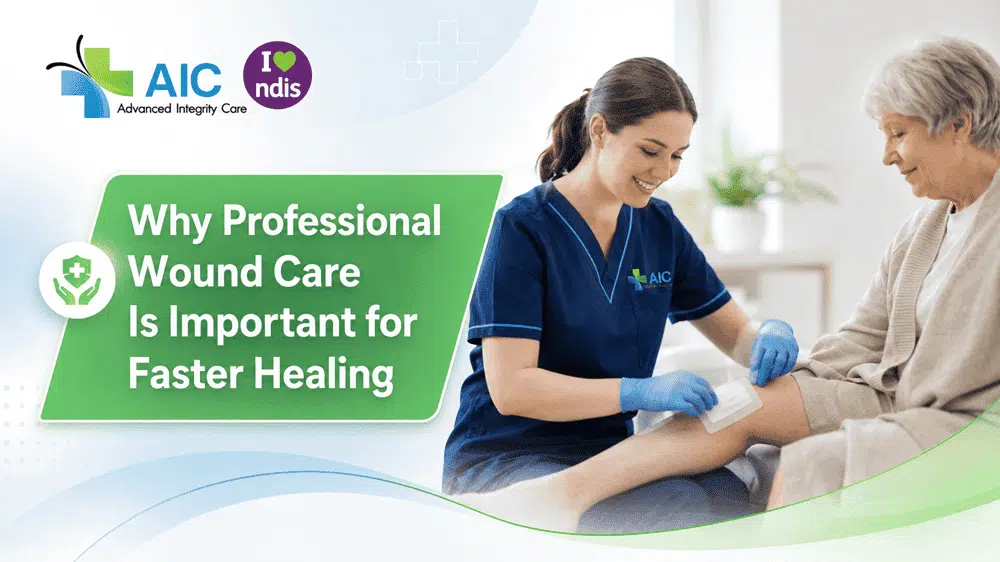
Wounds that start small can quickly become painful, septic and more challenging to heal without proper care. Older people, those living with a disability and anyone with diabetes or lower limb impairment needs more than a small cut or pressure sore. Thus, the use of products that help to heal wounds is why professional wound care is so important because it allows for faster and safer healing.
Dressing changes are a key component in support of the wound, but at Advanced Integrity Care – NSW it is so much more. Or what it really is: watching the wound, reducing potential for infection, protecting the surrounding skin, helping comfort and allowing the person to heal with dignity. In addition, proper wound care prevents unnecessary emergency room visits, following worry about your family.
What Is Professional Wound Care?
Wound care is only rightly done when professionals trained in this domain provide wound support under the right care plan. Could involve cleaning and changing of dressings, monitoring the progress of wounds, preventing pressure injuries, protecting skin, and informing patients about when to seek a medical review.
There are so many sources a wound can be from. Sample: Due to an injury, surgery, prolonged sitting or lying down, inadequate blood flow as in a peripheral arterial disease (PAD) condition diabetes or skin is thin and fragile. Hence, not every dressing looks good on everyone. Good wound care is holistic — treats not only the ‘wound’, but the whole person.
Why Faster Healing Needs the Right Care
A clean, protected, moist enough area, and a lack of further trauma will allow the wound to heal better. But over time most wounds become slow to heal because the dressings were changed wrongly, the pressure continues on the same area, signs of infection are overlooked or food and drink is not taken in sufficient quantities.
This is where wound care nursing in NSW can prove invaluable. Professionals are able to spot minor changes early, practice safe hygiene and educate families on what is normal and when it is time to see a doctor. Get details on Medication Management Service in NSW.
Common Factors That Slow Wound Healing
| Factor | How It Can Affect Healing | Why Professional Support Helps |
| Infection | Can cause redness, swelling, pus, odour, pain, and delayed healing | Early signs can be monitored and reported |
| Diabetes | May reduce sensation and slow tissue repair | Regular checks help detect problems sooner |
| Poor circulation | Limits oxygen and nutrients to the wound | Care plans can support safer management |
| Pressure on skin | Can create or worsen pressure injuries | Repositioning and pressure care can be arranged |
| Poor nutrition | Skin needs protein, fluids, vitamins, and energy to repair | Care teams can encourage better daily routines |
| Wrong dressing | May dry out, irritate, or fail to protect the wound | Dressing care can follow clinical instructions |
Early Detection Prevents Bigger Problems
Early detection is perhaps one of the biggest advantages of home care for wound dressing. Wounds that appear to a family member as “almost identical” may show critical differences to an expert. Redness or warmth for a surrounding wound, yellow is another layer of cream, the depth of wound — those who see more of an example.
Additionally, patients do not feel pain sharply, especially those suffering from diabetes mellitus, nerve diseases, and partially lost sensitivity. Consequently, infection or pressure injury may deteriorate gradually before obvious warning signs appear. Performing checks of the wound can minimize this risk.
Professional Dressing Changes Reduce Infection Risk
Dressing a wound is more than removing old material and applying new one. This involves washing your hands, handling supplies without contamination and protecting the wound area from further contaminations. Similarly, dressing type, frequency and technique must correspond with the wound care plan.
Students know that a wound should never be touched without cause too many times. Additionally, a soiled or leaking dressing should not be overlooked. Therefore, correct timing is important. This balanced approach aids in faster healing and increases the comfort of the wound. Looking for a Nursing Services in NSW?
Pressure Injury Care for People With Limited Movement
More time spent in bed, in a chair or wheelchair increases their risk for pressure injuries. These types of wounds may happen over bony areas like the hips, heels, tailbone, elbows, and ankles. The skin can appear red, darker, sore or warm at first. If pressure limits persist, the injury can degrade severely.
Examples include professional support such as regular repositioning, skin checks and moisture control, recommendations for cushions or mattresses, and appropriate communication to the health professionals. Pressure injury care, most importantly, must begin before skin breaks.
Home Wound Care Supports Comfort and Independence
For a number of individuals, getting these facilitated is preferred to get dressings done in a home environment has an abundance of additional advantages as it is more practical than incessant facility visits. Home care services, too, can assist in situations when a person has limited mobility, transport difficulties, disabilities or is prone as an older adult with frailty.
In addition, the professionals can get a better idea of the person’s actual day to day environment through working in a home care setting. They can see when a chair puts pressure, when bedding rubs the skin, or during showering that a wound dressing got wet. Healers or small, pragmatic shifts help healing. Get details on Disability Services in NSW.
Wound Care and NDIS Support
For eligible participants, wound-related personal care and nursing support may form part of an NDIS care arrangement, depending on the person’s plan and needs. NDIS wound care support in NSW may help participants manage daily living, reduce avoidable complications, and maintain routine care at home.
Advanced Integrity Care – NSW focuses on respectful, person-centred support. This means the person’s comfort, privacy, choices, and cultural needs should always be considered.
When Should You Seek Medical Advice?
While a professional care team can provide assistance with the monitoring of their wounds, there are warning signs that require an urgent review by medical professionals. These can include red flare up, swelling, numbness, tougher pain/ache, pus/bank smell, fever/bleeding which may or may not stop with pressure/blackish on more and becoming black tissue/wound which is not healing.
Similarly bites from an animal, deep punctures, burn or surgical/diabetics foot complications can not be taken lightly. Wounds may require evaluation by a GP, nurse practitioner, wound clinic or emergency service in these situations. Looking for a Independent Living Service in NSW?
Simple Home Habits That Help Wound Healing
Daily habits count, in spite of professional care First of all, unless your healthcare professionals instruct otherwise keep the dressing clean and dry. Second, don’t touch the wound unnecessarily. Third, be sure to consume sufficient meat food items and drink enough h2o. Again encourage repositioning if pressure is an issue.
Do not use creams, powders, antiseptics or home remedies unless advised by your health professional. Certain products can irritate the wound or impair healing. Get details on Community Access Service in NSW.
Professional Wound Care vs Basic Home Dressing
| Basic Home Dressing | Professional Wound Care |
| May focus only on covering the wound | Looks at wound type, skin condition, pain, and risk factors |
| Infection signs may be missed | Changes can be monitored and reported early |
| Dressing choice may not suit the wound | Dressing care can follow a proper care plan |
| Pressure causes may continue | Repositioning and pressure prevention can be included |
| Family may feel unsure or stressed | Families receive guidance and reassurance |
| Healing may be slower if care is inconsistent | Regular support improves routine and safety |
Why Choose Advanced Integrity Care – NSW?
Finding the right care provider is important; healing from a wound usually takes time, some more than others (most especially), and wounding well requires a watchful eye. Advanced Integrity Care – NSW helps those who need practical, respectful and dependable care right in the comfort of their own home!
We know that a wound can impact confidence, sleep, movement, hygiene and everyday comfort. Consequently, we provide safe support, clear communication and person-centred service. Be it assisting the person post-surgery, helping him to prevent pressure injuries or offering long-term wound care assistance, professional help makes the journey towards recovery much easier.
Related Articles:
» NDIS Wound Care Services in NSW
» Chronic Wounds & the NDIS: Can You Get Funding for Care?
» How Wound Care Services Improve Recovery and Comfort?
» Effective Wound Care Services in New South Wales: What You Should Know?
» Benefits of NDIS Wound Care & Medication Management in New South Wales
Faster Healing Starts with Proper Wound Care
The best time to care for a wound is soon after it occurs. Because no two people’s health, skin, level of mobility and characteristics of the home environment are alike, professional support is important to prevent unnecessary complications. Additionally, close observation, a good dressing change method, pressure relief or care and frequent communication can lead to faster recovery times and superior quality of life.
If you, or someone who requires professional wound care in NSW, Advanced Integrity Care – NSW can provide caring support with dignity and respect for comfort, independence and safety.

