
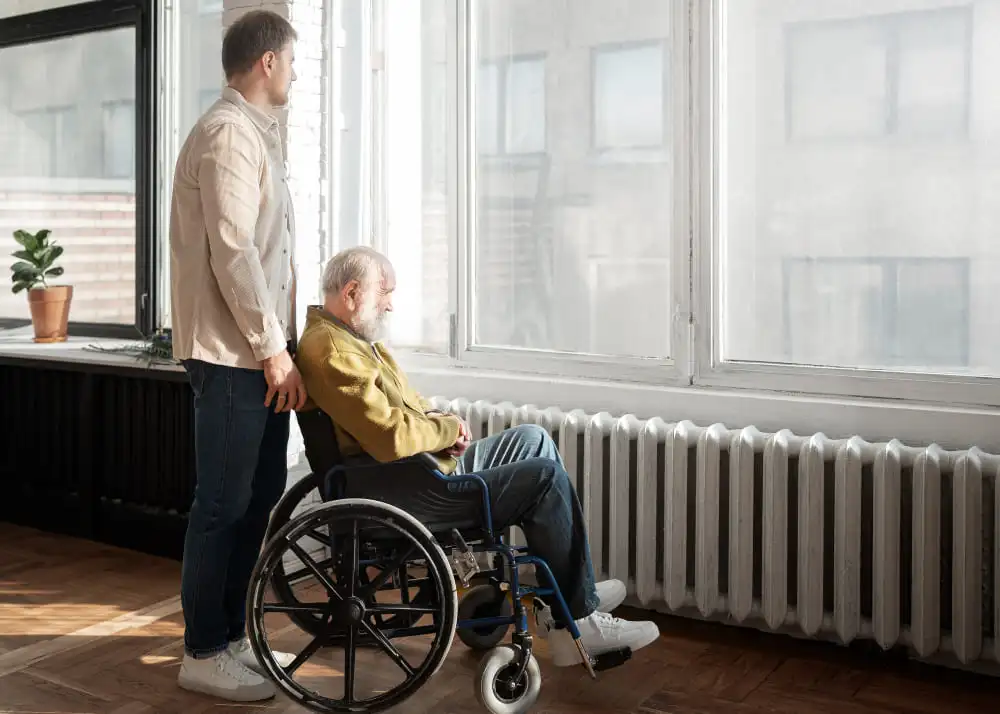
Living in Supported Independent Living(SIL) should feel safe,dignified & empowering. However, safety is not only about locks on doors or ramps at entries. Rather, it’s about how providers uphold a duty of care, when (and how) they apply restrictive practices and how they protect your rights every single day. At Advanced Integrity Care in NSW, we focus on safety that respects choice, champions independence, and meets NDIS quality standards without losing sight of what matters most: you.
What Safety Means in SIL Beyond the Basics
Safety in SIL services covers physical wellbeing, emotional security, & the reliability of everyday support. It includes skilled staff, thoughtful routines, well maintained homes & person centred planning.Therefore, true safety also means transparent communication, easy to understand information & real involvement in decisions.Therefore, we make sure you know your options, your risks & your protections before anything changes. Get details on SIL House Vacancy in Fletcher.
Duty of Care What Providers Owe You
Duty of care means our team must take reasonable steps to prevent upcoming harm. In practice, that looks like skilled support workers, medication safety checks, clear risk assessments and timely incident responses. Moreover, it means we balance protection with your dignity of risk, the right to try new things, learn, and grow, even when there’s some level of managed risk.
We:
- Identify hazards and co-design risk plans with you & your chosen supports.
- Provide training on medication administration, first aid and behaviour support.
- Document and review incidents, then improve our systems.
- Communicate because informed people make safer choices
Restrictive Practices: Last Resort, Not First Choice
A participant may experience behaviors of concern that risk harm. Even then, restrictive practices like environmental, chemical, mechanical, physical or seclusion should be rare, proportionate and time limited. Most importantly, they must sit within a Positive Behaviour Support (PBS) plan created by a behaviour support practitioner and they must be authorised under NSW regulations and NDIS requirements. Looking for a SIL House Vacancy in Chisholm?
We start with PBS first: understanding triggers, building skills, adapting the environment and reinforcing positive choices. In consequent , if a restriction becomes necessary to keep someone safe, it’s:
- Clinically justified and formally authorised.
- Explained in plain language to the participant and decision-makers.
- Monitored, recorded, and reviewed frequently.
- Phased out as quickly as possible.
Your Rights Come First
Under the NDIS Code of Conduct, Quality and Safeguards framework, you have the right to respect, choice,privacy and safe, competent supports. You can ask questions, request changes and say no. Moreover, you can access your information, seek a second opinion and make a complaint without fear of retribution.
Your rights include:
- Informed consent : we explain what support involves, the risks and benefits, and the alternatives.
- Participation in decisions : your goals shape your SIL roster of care, routines & supports.
- Cultural safety: We respect our culture, language, identity & family.
- Privacy & confidentiality: your information stays secure & is shared only with consent or legal requirement..
Consent, capacity & Supported Decision Making
People make better choices with the right information and time.Thus, we use supported decision making -plain-English explanations, visual aids and practice runs to help you decide. Where a participant has a legally appointed decision-maker, we always include them, while still centering the participant’s voice. If capacity fluctuates, we seek consent when capacity is present and adapt supports to maintain autonomy. Get details on SIL House Vacancy in Maitland.
How We Minimise Risk Without Minimising Life
Safety should never smother independence. Therefore, we combine risk enablement with everyday skill-building: learning road safety on short walks, trying new recipes with heat-proof equipment, or travelling with graded support until confidence grows. Meanwhile, we check equipment, maintain homes, and keep emergency plans up to date.
Our approach includes:
- Co-designed risk assessments that respect your goals.
- Tailored skill-building to grow independence.
- PBS strategies to reduce behaviours of concern.
- Regular reviews so supports evolve with you.
- Transparent communication—no surprises.
When Things Go Wrong: Reporting & Learning
If an incident occurs, we act quickly, keep people safe & notify the right authorities where required. We then review what happened and, importantly, learn from it. Because continuous improvement protects participants, we update training, tighten procedures, and share lessons across our teams. Looking for a SIL House Vacancy in Lochinvar?
Partnering With Families,Guardians & Clinicians
When every one cooperates safety flourishes. We maintain strong relationships with families, clinicians, guardians and allied health providers. We hold regular check-ins, agree on clear communication lines and share progress. Notably, this collaborative circle ensures consistency, reduces confusion, and strengthens outcomes.
Choosing a Safer SIL Provider in NSW
When comparing SIL providers in NSW, ask how they handle duty of care, limit restrictive practices, and protect your rights. Ask for examples of PBS, staff training schedules, incident trends, and how quickly they phase out restrictions. Ultimately, a safer provider invites scrutiny, welcomes feedback, and documents what they do.
Related Articles:
» How Does Supported Independent Living (SIL) Work?
» What all facilities One can expect from SIL house?
» Community Access from a SIL Home: Transport & Planning Tips
» Benefits of NDIS SIL Disability Accommodation in Newcastle
» How to Apply for SIL in Your NDIS Plan: Evidence & Reports?
Our Promise at Advanced Integrity Care
We promise safety with dignity. We follow the law, adopt best-practice PBS, and put human rights at the centre. We report, review, and improve. Most of all, we listen—because safety should never be done to you; it should be built with you.
What should I ask when choosing a SIL provider?
Ask about PBS, staff training, incident trends, authorisation processes, and how they uphold dignity of risk and participant rights.

