
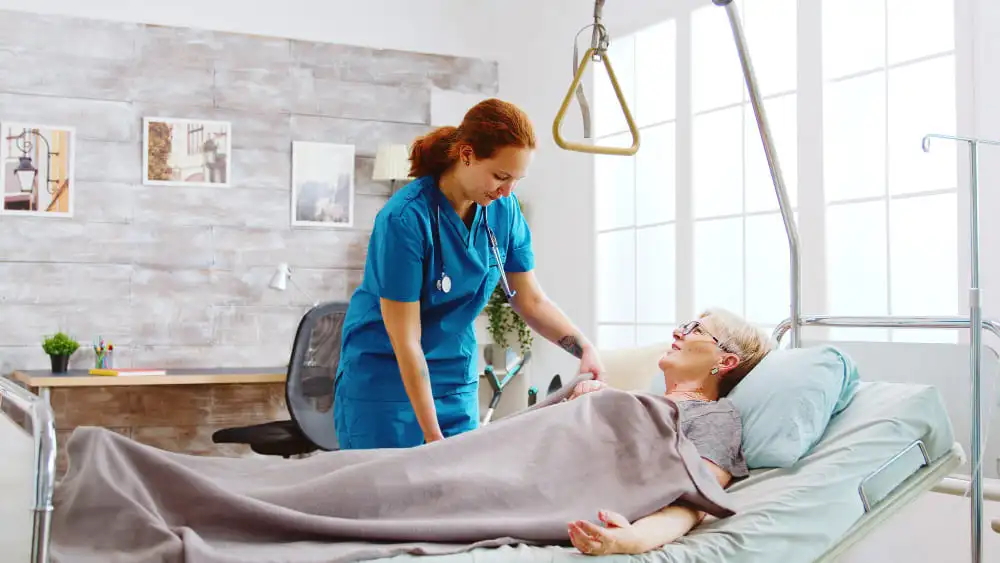
Behaviour and health tend to be like that when someone lives with disability, complex health needs or big emotions that can seem impossible to keep in check. A hard night’s sleep can make for a rough morning. Discomfort or pain might present as agitation, refusal, or walking away. Even something as basic as dehydration or constipation can alter how someone copes.
That’s why so many people make great progress when Positive Behaviour Support (PBS) works in combination with nursing. Not separately. Not “handover and hope.” But genuinely as one team around the participant.
At Advanced Integrity Care – NSW, we’ve seen it over and over: when behaviour strategies and clinical care line up, the person feels safer, routines become smoother, and everyone supporting them responds with more confidence.
What is Positive Behaviour Support (PBS), really?
Positive Behaviour Support is a practical, person-centred way of understanding behaviours of concern. Instead of treating behaviour as “bad” or something to punish, PBS asks a better question:
“What is this behaviour trying to communicate?”
A good PBS approach usually focuses on:
- improving quality of life
- reducing distress (not just reducing incidents)
- building skills, communication, and independence
- creating environments that feel safe and predictable
- helping support workers and families respond consistently
Most importantly, PBS works best when the participant’s voice stays in the centre. What they want matters. What makes them feel safe matters. Their routines, preferences, and strengths matter. Get details on Nursing Services in Newcastle.
Why nursing belongs in behaviour support
Behaviour support can’t sit on top of a health issue and expect things to improve. If a person is uncomfortable, unwell, or reacting to medication side effects, even the best PBS plan can fall apart.
That’s where nursing becomes a game-changer.
A nurse can help identify and manage things like:
- pain (especially if the person can’t explain it clearly)
- infections such as UTIs or chest infections
- constipation, reflux, nausea, and appetite changes
- poor sleep patterns and fatigue
- epilepsy management and seizure risks
- wound care and skin integrity issues
- medication timing, side effects, and interactions
- continence concerns and personal care discomfort
So rather than guessing at what’s going on, the team can respond from what is actually happening.
And in many cases as physical discomfort decreases so do behaviours — because the person is feeling better.
The shared purpose: safety, dignity, and a better everyday life
While the skill sets between PBS and nursing may be different, RNs have scores that are common to more than you might think. Both aim to support:
- safety for the participant and others
- independence and everyday participation
- emotional regulation and wellbeing
- stronger routines and fewer crisis moments
- respectful, person-centred care
So, when Positive Behaviour Support & nursing work together, support becomes more complete—not just reactive. Looking for a Medication Management Services in Newcastle?
How PBS and nursing work together in real life (not just on paper)
1) Behaviour can be a health signal
A participant might seem “non-compliant” or “challenging,” but the behaviour could be a sign of:
- tooth pain
- headaches or migraines
- reflux after meals
- sensory discomfort from clothing or equipment
- constipation
- sleep deprivation
PBS practitioners can notice patterns and triggers.Nurses are able to assess the clinical side and direct where someone should go next. They conspire, together against the person, and focus on solutions to a real problem.
2) Better assessments lead to better plans
PBS frequently employs mechanisms such as ABC tracking (Antecedent–Behaviour–Consequence) for behaviour analysis. Nursing adds another dimension: history of health, risk factors and clinical signs.
For example:
- behaviours increasing after meals might point to reflux or swallowing issues
- behaviours increasing at night might connect to pain, sleep apnoea, or medication changes
- distress during showers may relate to skin sensitivity, temperature discomfort, trauma history, or continence concerns
That combined view creates stronger, more realistic support plans.
3) Medication changes can change behaviour
Sometimes behaviour shifts quickly after a medication adjustment. A person may become:
- more restless
- more tired or withdrawn
- hungrier or nauseous
- emotionally “flat” or unusually irritable
Nursing can monitor effects and communicate with GPs or specialists. PBS can then adjust the plan so it matches what the person is experiencing right now—not what the plan assumed six months ago.
4) Staff training becomes clearer and more consistent
Support workers often want to help, but they’re not always sure what to do first:
- Is the person escalating because of anxiety?
- Are they in pain?
- Is this a health issue or a behavioural trigger?
When nursing and PBS train staff together, the message becomes simpler and more consistent. Workers learn:
- early warning signs to watch for
- de-escalation strategies that fit the participant
- what to document
- when to escalate to a nurse, GP, or urgent support
- how to respond without fear or frustration
And when responses become consistent, behaviour usually becomes more stable.
5) Crisis prevention is stronger when health and behaviour are aligned
Many crisis moments don’t start suddenly. They build. If staff only focus on behaviour strategies but miss health cues, escalation can happen faster.
A collaborative approach helps teams:
- notice early signs of distress
- reduce triggers before they pile up
- respond calmly and safely
- protect the participant’s dignity during difficult moments
That’s not just better support. It’s safer for everyone.
6) Restrictive practices should reduce over time (not become the default)
Restrictive practice in difficult circumstances Some challenging situations may involve describing restrictive interventions but they should only ever be a last resort, well thought out and reviewed regularly.
When nursing and PBS work together, the focus stays on:
- reducing risk without unnecessary control
- creating safer routines that reduce escalation
- building skills and supports that reduce the need for restrictions
- reviewing what’s working and adjusting early
The long-term goal is always fewer restrictions and more choice. Get details on Wound Care Services in Newcastle.
A simple teamwork approach that actually works
Here’s a practical structure we often see succeed:
Step 1: Spot patterns early
PBS tracks triggers and routines. Nursing screens for health drivers.
Step 2: Agree on shared goals
Not just “reduce incidents,” but “improve sleep,” “safer mealtimes,” or “less distress during personal care.”
Step 3: Build one clear plan
PBS provides proactive strategies. Nursing adds clinical supports, monitoring, and escalation steps.
Step 4: Train everyone the same way
Support workers, family, and the wider team all follow the same approach.
Step 5: Review regularly
Changes in health, environment, or staffing can change everything—so the plan should stay flexible. Looking for a Respite Care Services in Newcastle?
Why this matters across NSW supports
In the community, things can change quickly—new staff, new routines, transport issues, delayed appointments, shifting funding, unexpected illness. That’s life.
A combined PBS + nursing approach helps participants stay stable through those changes by:
- building predictable daily routines that support health
- supporting families and staff with clear guidance
- reducing avoidable emergency presentations
- improving communication across providers
- keeping supports practical, not complicated
Related Articles:
» Nursing Services for NDIS Participants in Newcastle
» Post-Hospital Care & Recovery with Nursing Services in Newcastle
» The Essential Role of Nursing Care in Family Health
» Understanding the Importance of Nursing Care Services for Families
» Top Benefits of Nursing Care Services for Elderly Patients
How Advanced Integrity Care – NSW can help
At Advanced Integrity Care – NSW, we understand that the best outcomes happen when behaviour strategies and clinical support work side by side. We prioritise:
- respectful, person-centred care
- clear documentation and handovers
- realistic strategies that staff can follow
- team collaboration across allied health and support networks
- safety, dignity, and measurable progress
Because at the end of the day, the goal is simple: the person deserves to feel safe, heard, and supported.

