
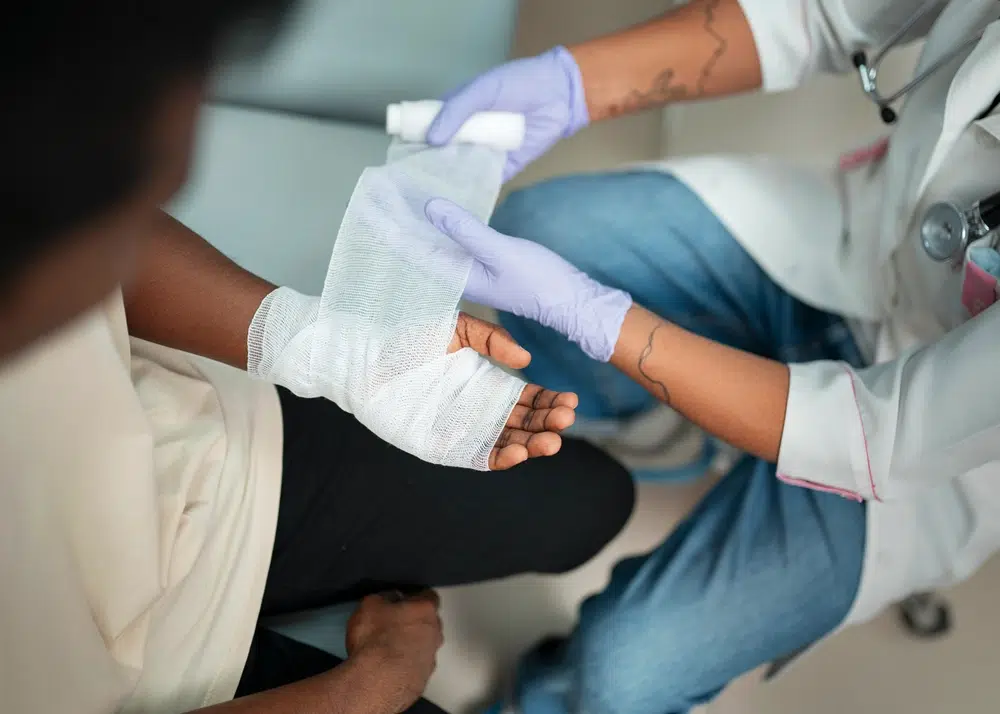
If you or someone you support lives with a chronic wound, daily life can feel like a nonstop cycle of dressings, appointments & pain management. Understandably, people ask whether the NDIS can help.Yes, sometimes but it depends on your disability, the reason for the wound and what supports you need to live an ordinary life. This article explains how funding works, what evidence helps and how Advanced Integrity Care NSW can support you to secure and use your plan well.
What counts as a chronic wound?
A chronic wound is one that doesn’t heal within the expected timeframe often six weeks or more. Common types such as arterial ulcers, pressure injuries, venous leg ulcers, diabetic foot ulcers & non healing surgical wounds. While medical treatment sits with the health system, people with disability often need ongoing support to prevent deterioration, manage dressings and avoid hospital stays. That’s where the NDIS may step in if the need links to your permanent & significant disability. Get details on NDIS Provider in Hunter.
Can the NDIS actually fund wound care?
Sometimes. The NDIS funds support that are necessary and reasonable disability related, and value for money. If your disability causes or significantly contributes to delayed healing or creates extra support needs, for example, limited mobility that increases pressure injury risk the NDIS can often fund functional support around wound management. The clinical treatment of a wound (diagnosis, surgery and antibiotics) remains a health system responsibility.
What types of wound related supports might be funded?
Depending on your goals and evidence, the NDIS may fund:
- Community nursing for wound assessment and complex dressings at home.
- Core Supports assistance (e.g., personal care workers trained to do simple dressings, skin checks, and pressure area care).
- Consumables like approved skin protectants, wound dressings & offloading devices when they are part of a disability related support plan.
- Assistive technology such as pressure-relieving cushions, mattresses, heel protectors, and mobility equipment to reduce risk.
- Skill-building and education for you and your support network (e.g., pressure injury prevention, foot care for diabetes, nutrition routines that support healing).
- Transport to wound clinics if it links to your disability and supports community access.
- Home modifications (for example, accessible bathrooms to improve hygiene and reduce infection risk), when clearly connected to disability and approved through the right AT/HM pathway.
These supports commonly sit under Core Supports, Capacity Building (Improved Daily Living), and sometimes Assistive Technology—subject to your plan and evidence. Get details on NDIS Provider in Newcastle.
What usually won’t be funded?
The NDIS won’t fund hospital admissions, surgical procedures, diagnostic tests or medications that are health obligations. It also won’t fund items considered everyday living costs with no disability link. If a wound arises from an acute incident unrelated to disability, the NDIS typically won’t fund the clinical treatment, though it may fund extra support you need because of your disability while you recover.
What evidence do you need?
To make a strong case, gather clear, practical evidence that links your disability to the support need:
- A letter from your GP, wound care nurse, or specialist explaining:
- your disability diagnosis and how it affects mobility, sensation, or self-care;
- the type and chronicity of the wound;
- the supports required at home (frequency of dressings, risk prevention, monitoring);
- risks of deterioration or hospitalisation without support;
- expected functional outcomes (e.g., better skin integrity, fewer infections, sustained independence).
- Where helpful, a Functional Capacity Assessment by an OT, outlining equipment and environmental needs.
- A support plan that shows value for money (e.g., a blended roster—nurse for complex tasks, support workers for routine care).
This kind of evidence helps the NDIS see the support as reasonable, necessary, and cost-effective.
Where does the funding sit in your plan?
Although plans vary, wound-related supports often appear in:
- Core Supports – Assistance with Daily Life (e.g., support workers trained for routine dressings and skin care).
- Core Consumables For example dressings and basic equipment linked to disability needs.
- Capacity Building Improved Daily Living For example, nurse led training, education, allied health input).
- Assistive Technology For example pressure relieving devices, specialised footwear or offloading..
Your Support Coordinator or Plan Manager can help place each support in the right budget line and ensure invoices match the NDIS Pricing Arrangements. Get details on NDIS SIL Vacancies in Hunter.
Health versus NDIS: who does what?
Think of it as a partnership. The health system treats the condition the NDIS funds disability supports that help you live safely & participate. For example, a hospital might handle negative pressure therapy, while the NDIS funds, equipment, home support & prevention training that keep you stable between appointments.
Tips to strengthen your request
- Spell out the “because of disability” link. For instance: “Because I have spinal cord injury, I have reduced sensation, which increases pressure injury risk. Therefore, I need daily skin checks and pressure care.”
- Show results and savings. Emphasise how supports reduce hospital admissions and infection risk.
- Be specific about frequency. Outline how often dressings occur and who should do them (nurse vs support worker).
- Use photos and logs. Document skin checks and wound progress to demonstrate ongoing need.
- Blend supports wisely. Use nurses for complex tasks and support workers for routine care to meet value-for-money expectations.
How Advanced Integrity Care NSW can help
At Advanced Integrity Care (AIC), we deliver NDIS-supported wound care services across NSW. Our team coordinates community nursing, support worker training, equipment trials, and consumables procurement. We also collaborate with your GP, wound clinic, and allied health to keep everything aligned with your goals. Importantly, we focus on prevention, education, and dignified care at home—so you can live more independently and reduce setbacks.
Why choose AIC?
- Responsive mobile nursing across NSW
- Evidence-based wound protocols and pressure injury prevention
- Culturally safe and trauma-informed practice
- Support for plan-managed and self-managed participants
- Clear communication with Support Coordinators and Plan Managers
Case example (illustrative)
Sam lives with cerebral palsy and limited mobility. Recurrent heel pressure injuries led to hospital stays. After an AIC assessment, Sam’s plan included nurse visits twice a week, a pressure-relieving mattress, and support worker training for daily skin checks. Within months, Sam’s skin integrity improved, hospital visits dropped, and Sam felt more confident going out—a direct boost to participation and quality of life. Looking for a NDIS Provider in Cessnock?
Costs and pricing
We follow the NDIS Pricing Arrangements and Price Limits. Your rostered supports will align with the correct support item numbers. We’ll propose a transparent service agreement and help your Plan Manager set up claims correctly. For Assistive Technology, we’ll guide you through trials, quotes, and documentation.
Related Articles:
» How Wound Care Services Improve Recovery and Comfort
» How to access NDIS funding for wound care ?
» NDIS Respite Care: How It Enhances Family Wellbeing?
» Overcoming Wound Care challenges with NDIS support
» Benefits of NDIS Wound Care & Medication Management in New South Wales
Getting started
Reach out to Advanced Integrity Care – NSW for a no-obligation chat. We’ll review your goals, gather the right evidence, and propose a wound-safe support plan that keeps you home, healthy, and engaged in your community.
Final note
This article was written specifically for Advanced Integrity Care – NSW in Australian English. It’s original, practical, and designed to improve clarity around NDIS-supported wound care. If you’d like, we can tailor a service page and local SEO snippets for your target suburbs and LGA catchments next.

